
Alma TED Hair Restoration
Trichology-led. Consultation-first. Personalized for your scalp, hair, and lifestyle.
Advanced needle-free hair restoration designed to support scalp health, reduce shedding, and help optimize the environment for healthier hair growth.
*Financing Avavilble
Hair Restoration Without Needles
What is Alma TED?
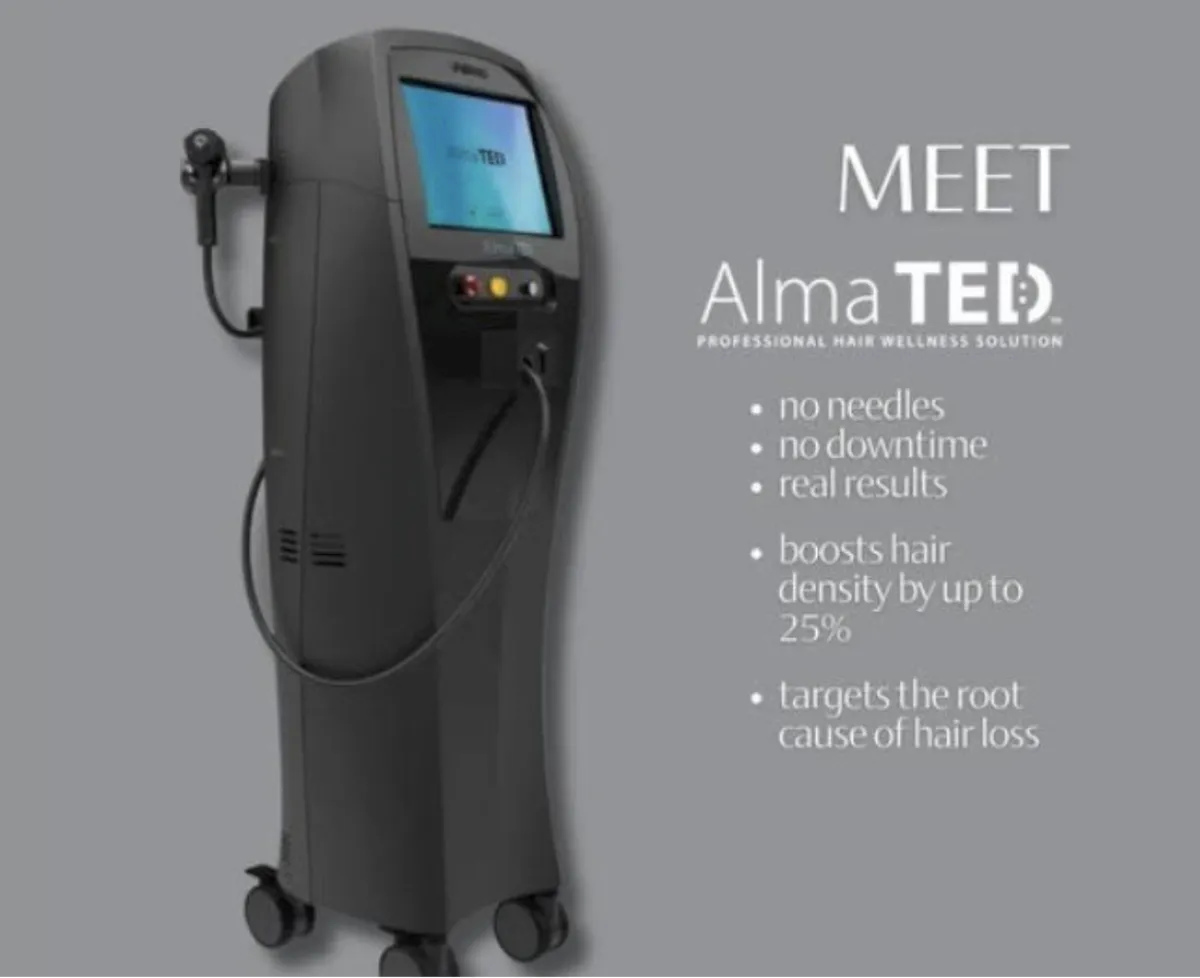
Alma TED is an advanced ultrasound-based hair restoration treatment designed to support scalp health and improve the delivery of professional-grade growth support solutions into the scalp.
Unlike traditional injection-based treatments, Alma TED uses acoustic sound wave technology and air pressure to help enhance product absorption without needles, blood draws, or significant downtime.
At Frenchie’s, Alma TED is used as part of a broader trichology-informed treatment plan, because healthy hair growth is rarely about one thing alone.
Our Services
Why People Choose Alma TED
Needle-Free
No injections. No blood draw. No mesotherapy-style discomfort.
Minimal Downtime
Most guests return to normal activities immediately after treatment.
Comfortable Experience
Many clients describe the treatment as relaxing or warm with little to no discomfort.

Scalp Health Focused
Supports circulation, scalp condition, and the environment needed for healthier hair growth.
Personalized Planning
Used alongside scalp analysis, treatment planning, and home care support.
Suitable for Multiple Concerns
Can support thinning, stress-related shedding, hormonal changes, postpartum shedding, and scalp wellness goals.
WHO THIS MAY HELP
Who Is Alma TED Best For?
Early to moderate hair thinning
Stress-related shedding
Hormonal hair changes
Postpartum hair loss
Scalp dryness or buildup
Inflammation-related scalp concerns
Clients wanting a non-invasive option
Those not comfortable with needles or PRP
Individuals wanting preventative scalp care
NOTE: Every scalp and hair loss journey is different. A scalp analysis helps determine whether Alma TED is the right fit for your specific situation.
In some cases, a more in-depth trichology assessment may also be recommended to help identify additional contributing factors and create the most personalized treatment plan possible.
STILL NOT SURE?
FAQ
Does Alma TED hurt?
Most clients describe the treatment as comfortable, warm, or relaxing. There are no needles involved.
Is there downtime after Alma TED?
Most people return to normal activities immediately after treatment. However we do ask you do not wash your hair for 2 days minimum.
How many treatments will I need?
This depends on your level of hair loss, scalp condition, goals, and consistency with home care and maintenance.
How soon will I see results?
Hair growth takes time. Many people begin noticing improvements in shedding, scalp condition, or hair quality over several months. Consistency matters.
Is Alma TED better than PRP?
Not necessarily “better” — just different.
Some people prefer Alma TED because it is needle-free and more comfortable, while others may pursue PRP depending on their goals and medical recommendations.
Can Alma TED help with stress-related hair loss?
Stress can absolutely impact the hair growth cycle and scalp environment. Alma TED may help support scalp health as part of a broader stress-aware hair restoration plan.
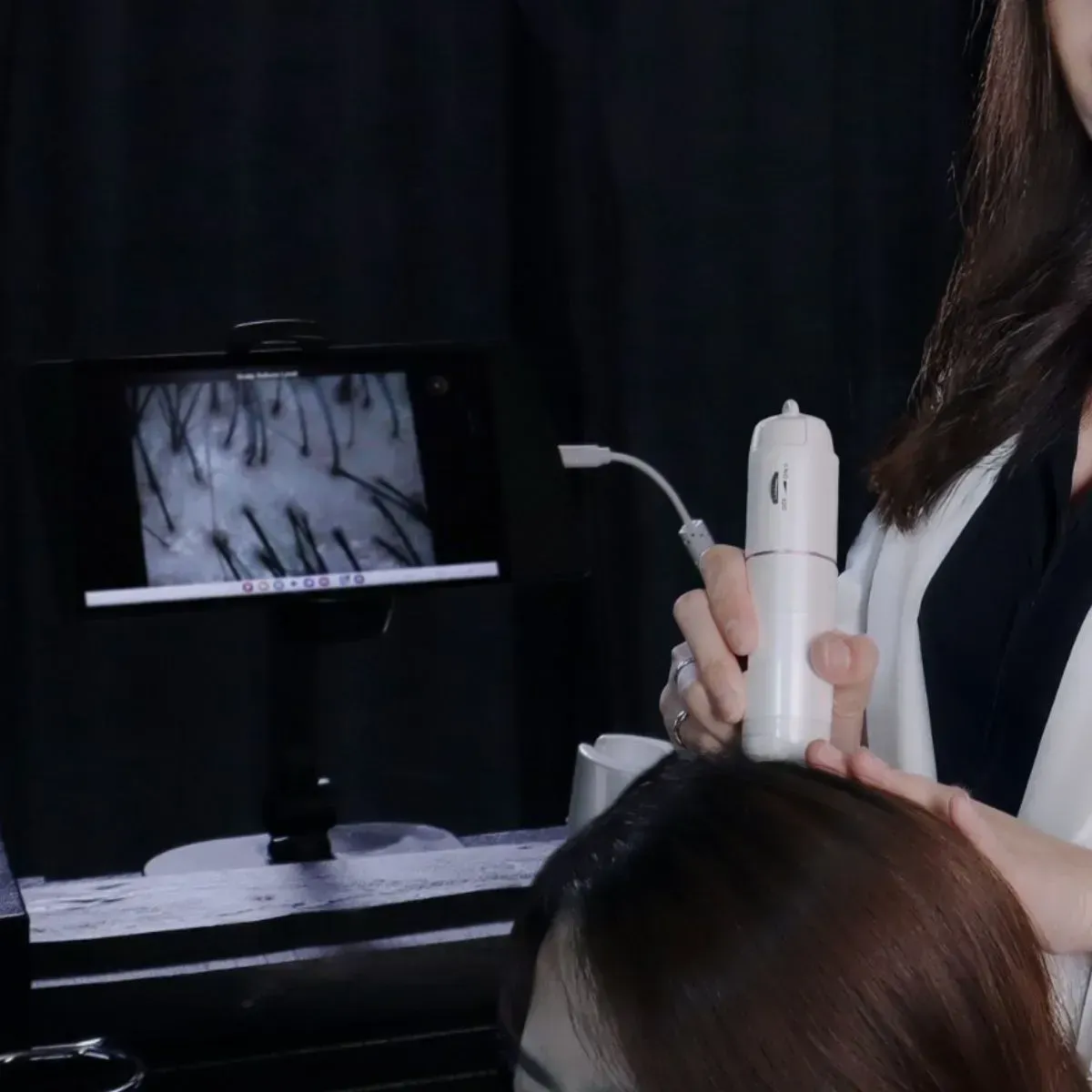
Do I need a scalp analysis first?
Yes. At Frenchie’s, scalp analysis is the starting point for all hair restoration planning.
Is Alma TED safe for sensitive scalps?
Many people choose Alma TED because it is non-invasive and gentle compared to injection-based approaches. Your provider will still assess whether it is appropriate for your scalp condition.
Can Alma TED replace healthy lifestyle habits?
Hair growth support works best when combined with consistent scalp care, stress management, nutrition, sleep, and realistic maintenance planning.
WHY ALMA TED OVER PRP OR MESOTHERAPY?
Alma TED
• Needle-free
• No blood draw
• Comfortable treatment experience
• Minimal downtime
• Supports product penetration using ultrasound technology
• Great for clients wanting a non-invasive option
PRP (Platelet Rich Plasma)
• Uses your own blood platelets
• Requires blood draw + injections
• More invasive
• Can involve downtime or tenderness
• Often chosen for aggressive treatment approaches
Mesotherapy
• Uses multiple scalp injections
• Delivers ingredients directly through needles
• Can be uncomfortable for some individuals
• Typically requires repeat sessions
Frenchie’s Perspective:
There is no single “best” treatment for everyone.
The right treatment depends on:
• your scalp condition
• type of hair loss
• inflammation levels
• comfort level
• lifestyle
• budget
• consistency
• overall goals
That’s why consultation and scalp analysis matter first.
You’re not buying a machine. You’re building a strategy.
0% Financing Available
Packages over $1,000 qualify for 0% interest financing for 6 or 12 months through Beautifi.
Apply in minutes — pre-qualification does not impact your credit score. -Ask within for more details.
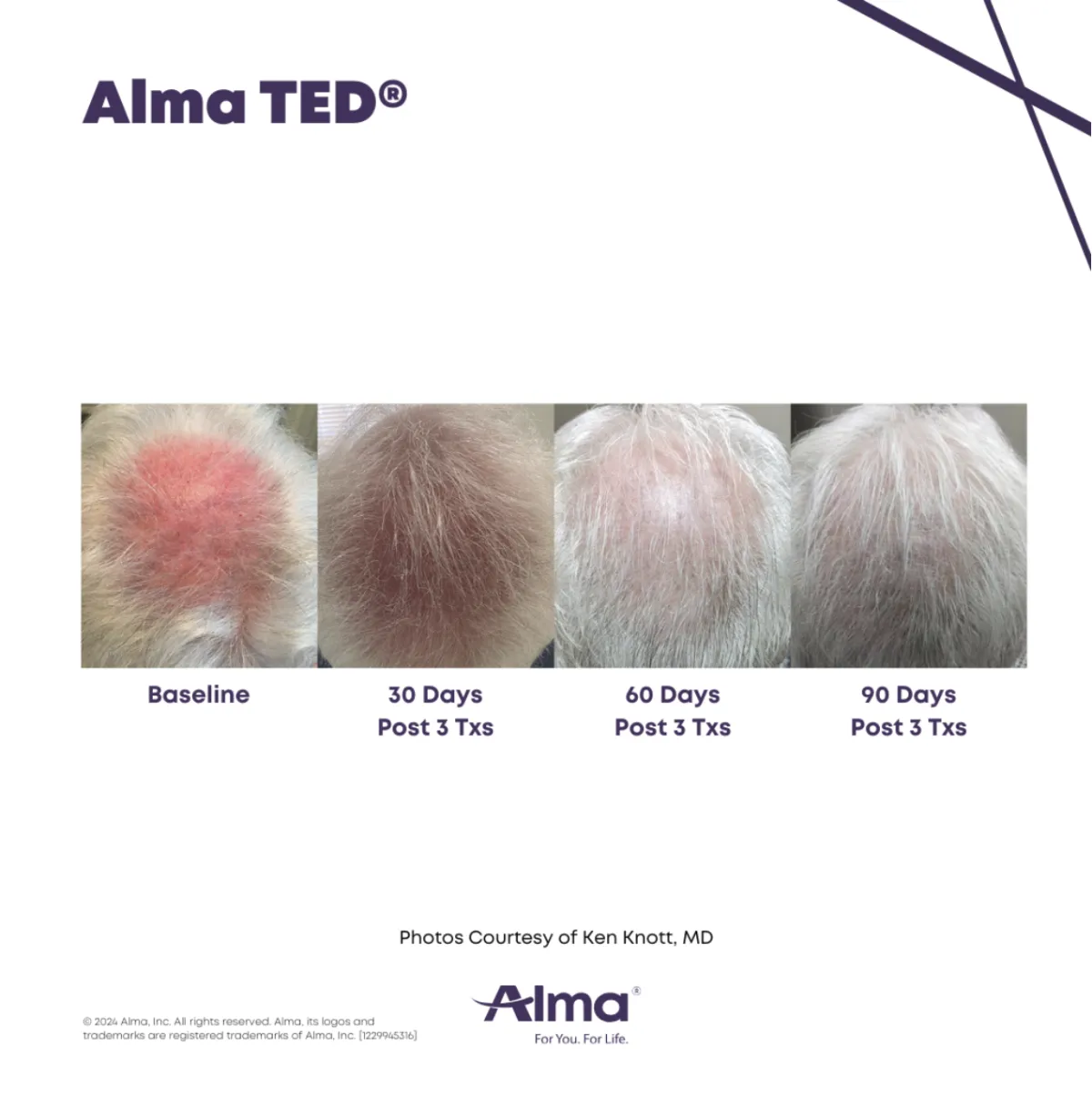
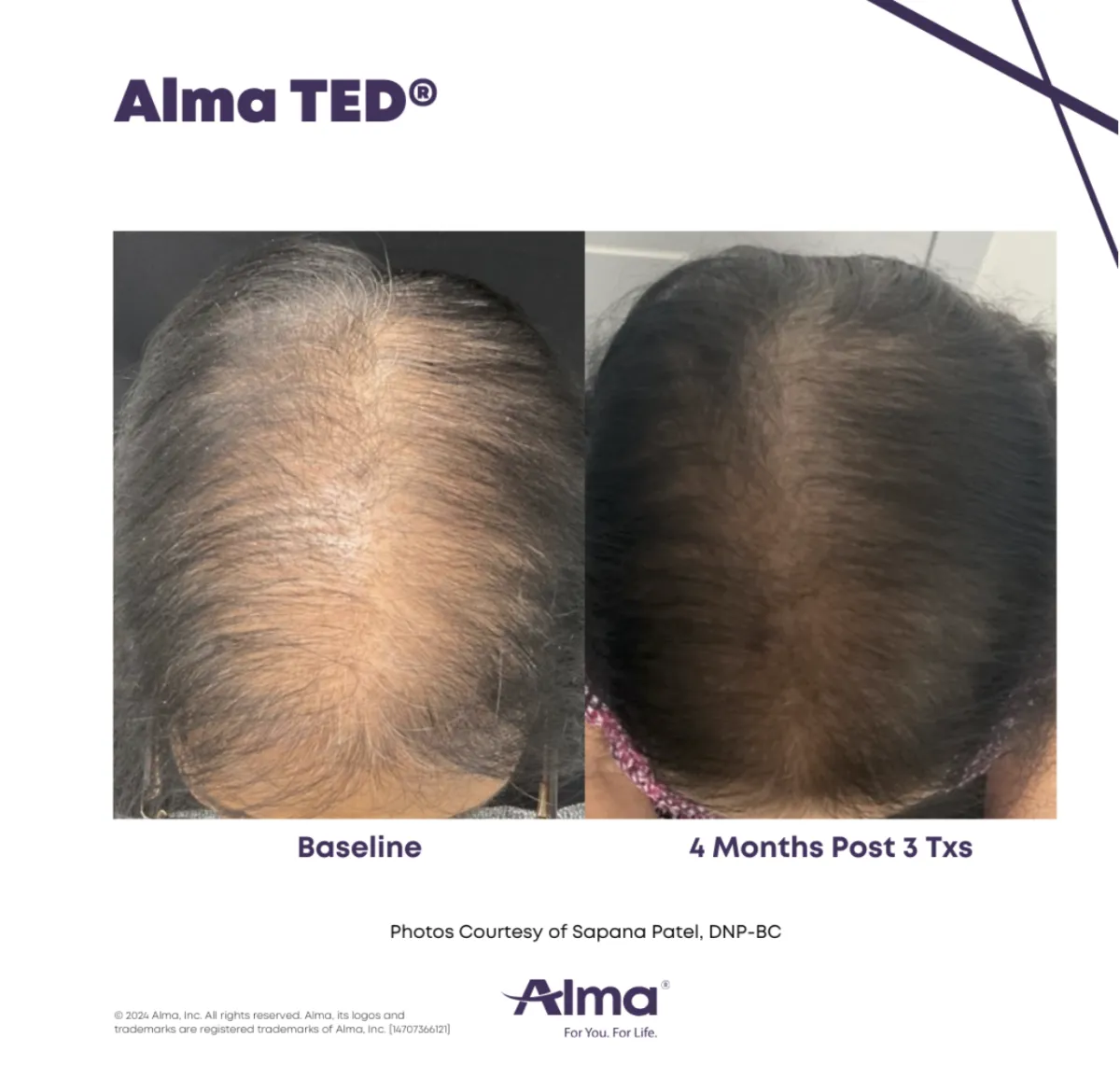
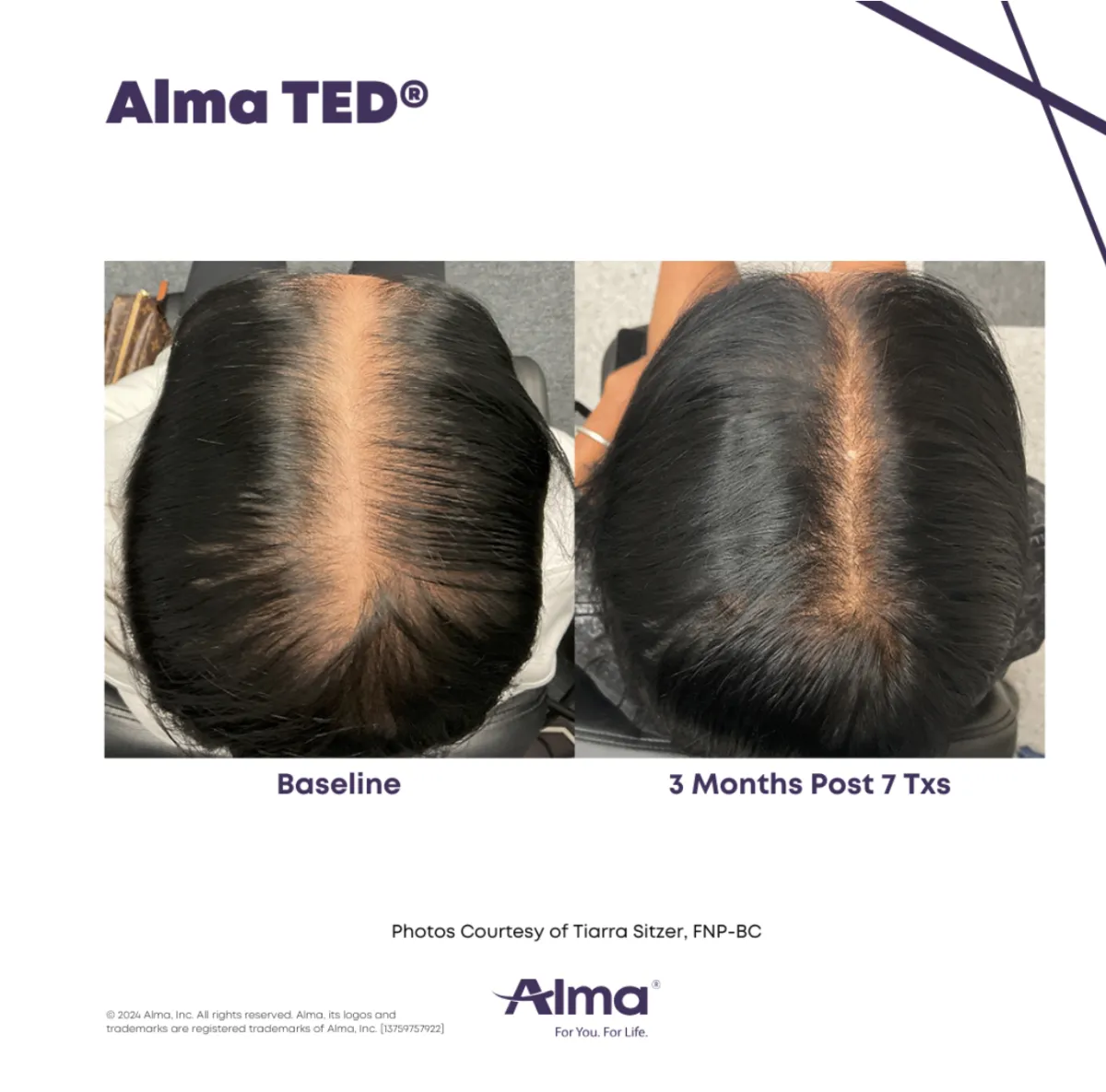
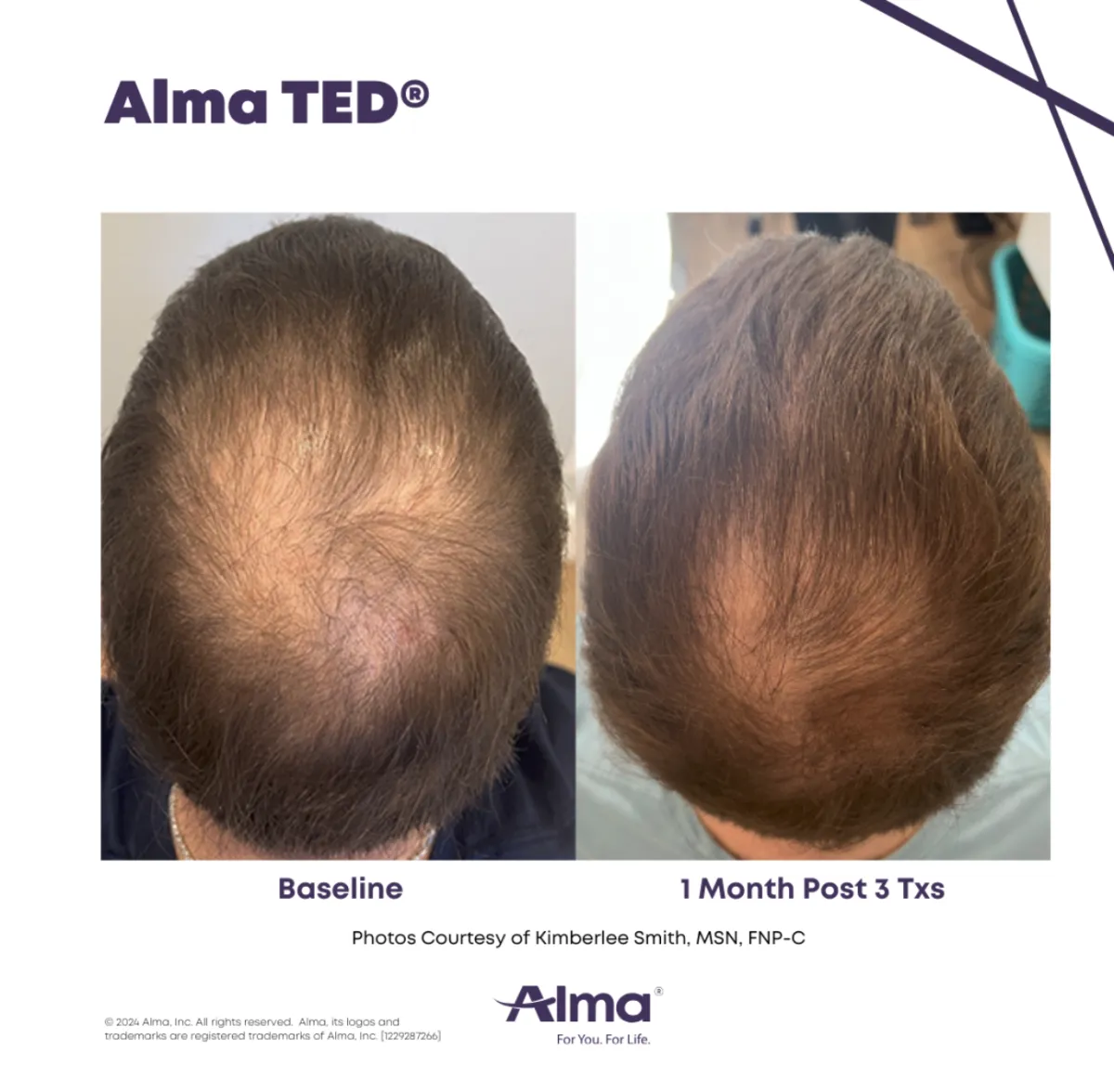
Real Progress Takes a Plan
Hair Restoration Is Rarely Overnight
Healthy scalp support, consistency, maintenance, and personalized planning are what create long-term change.
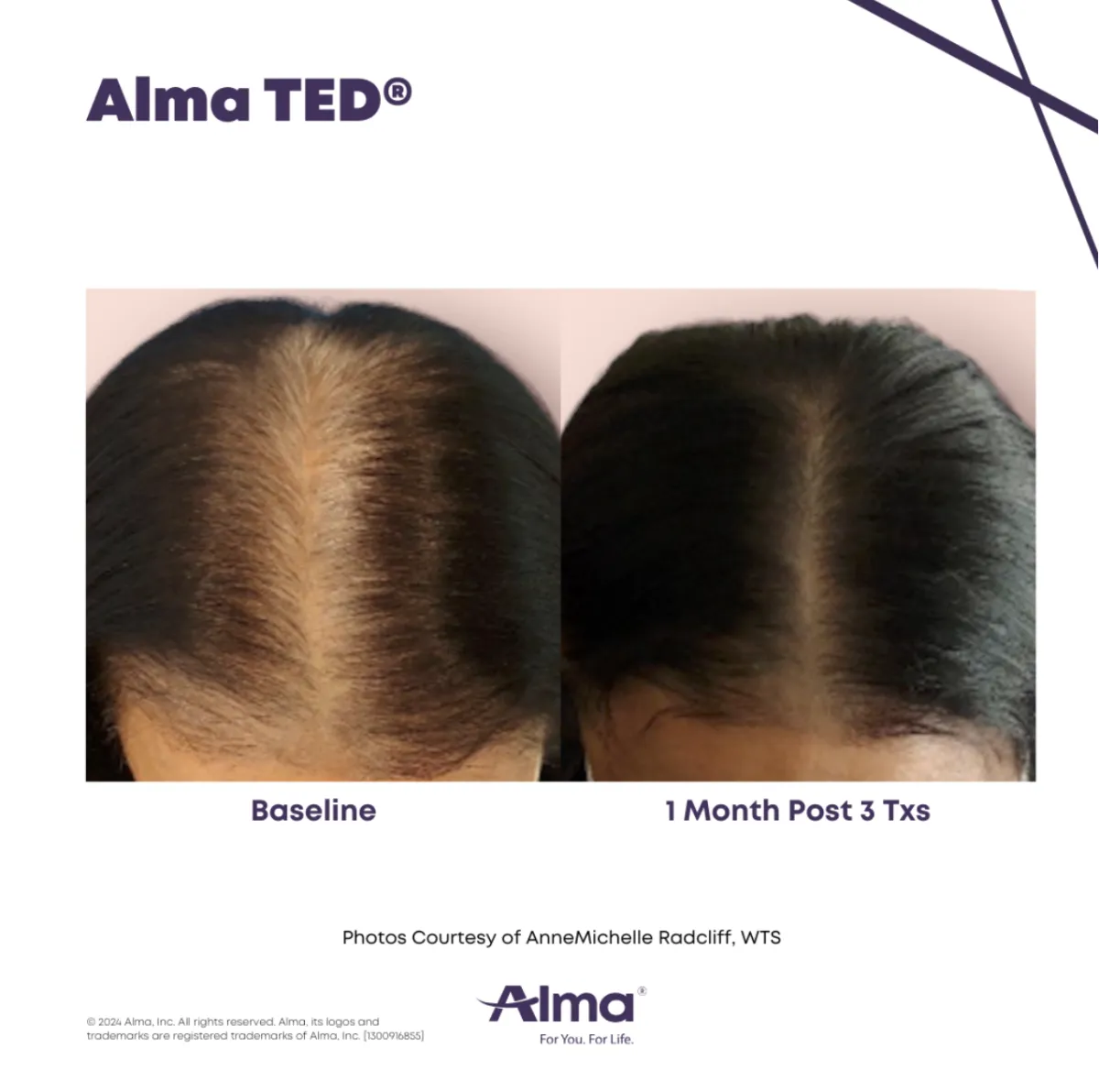
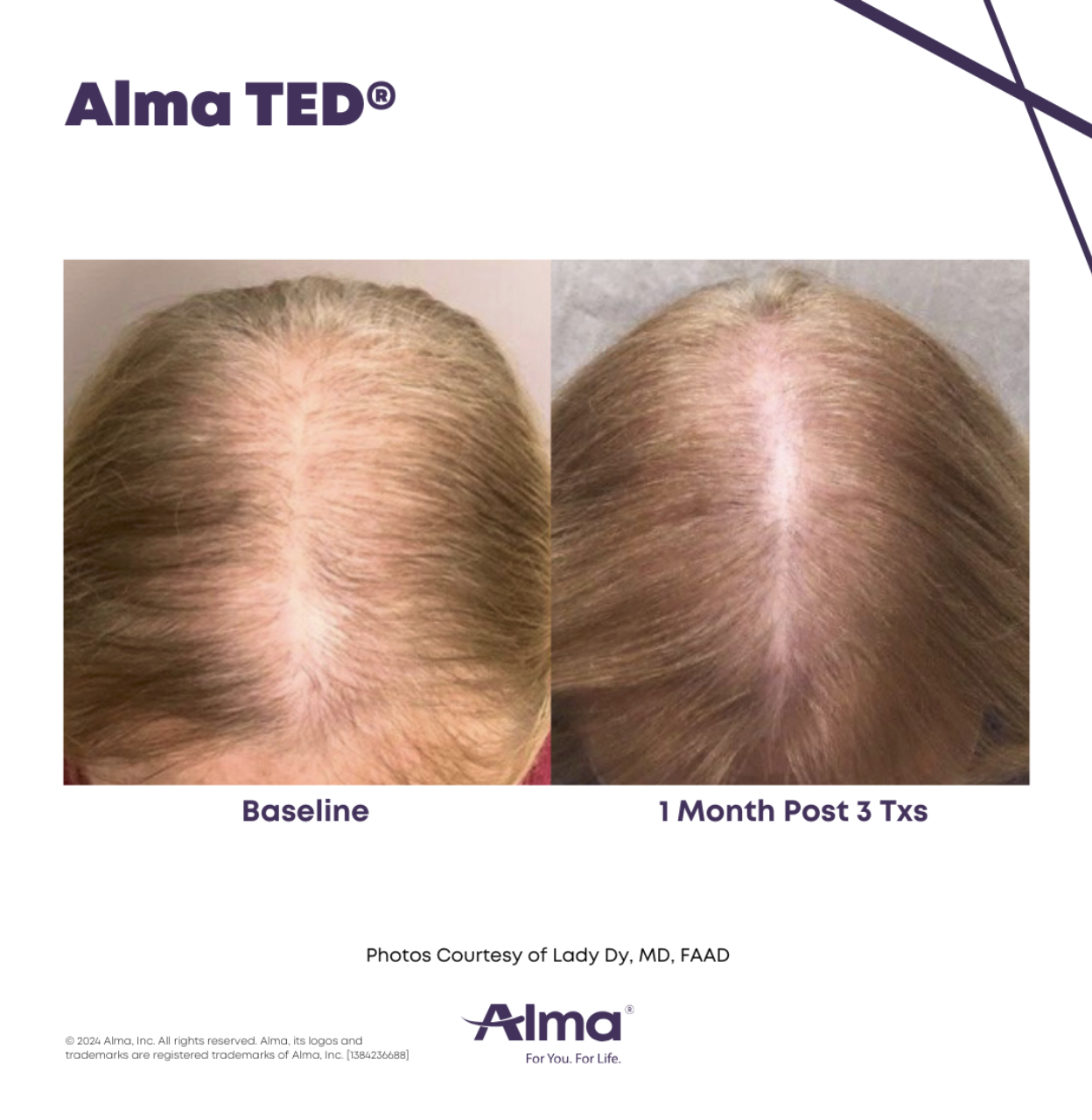
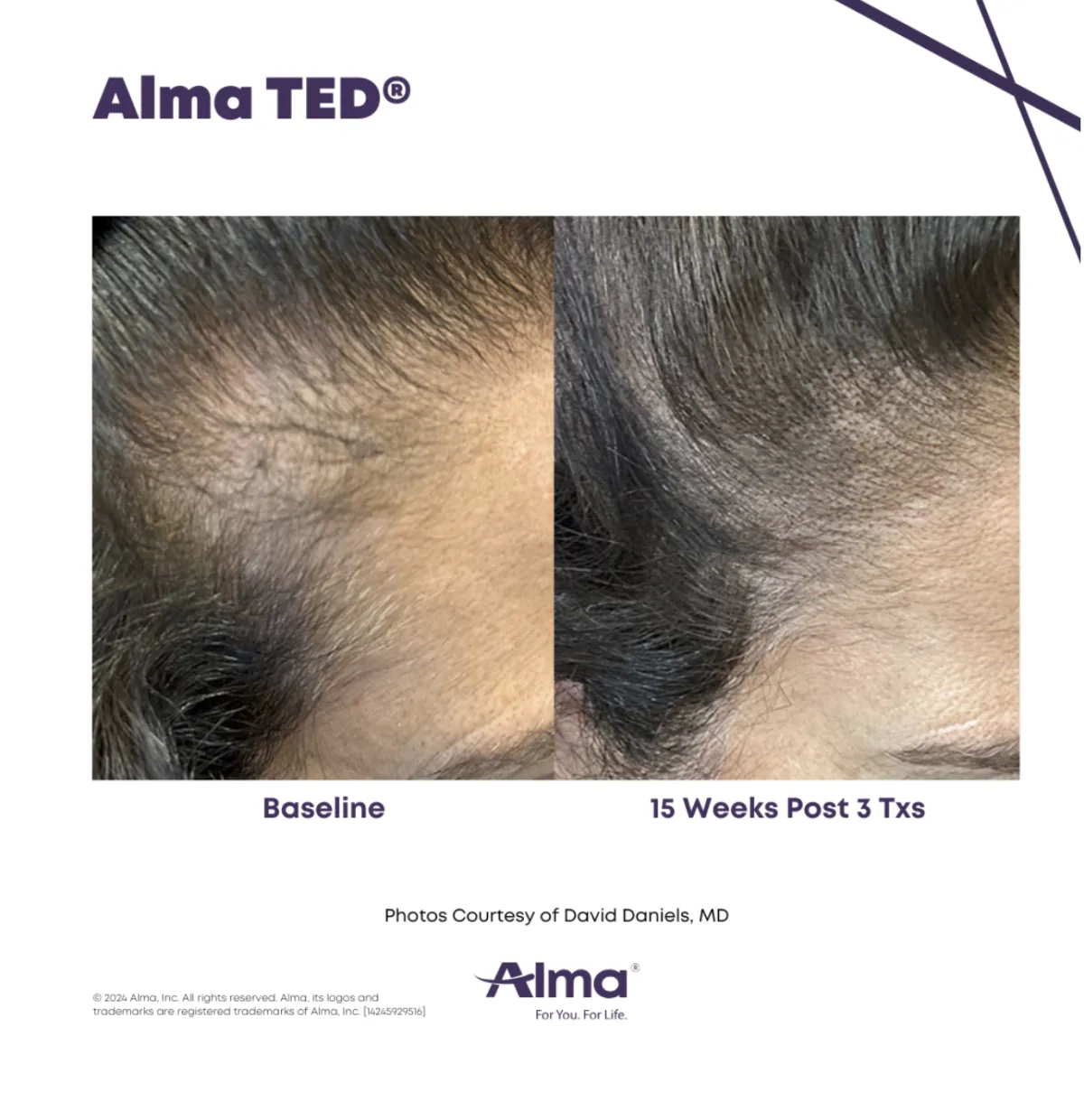
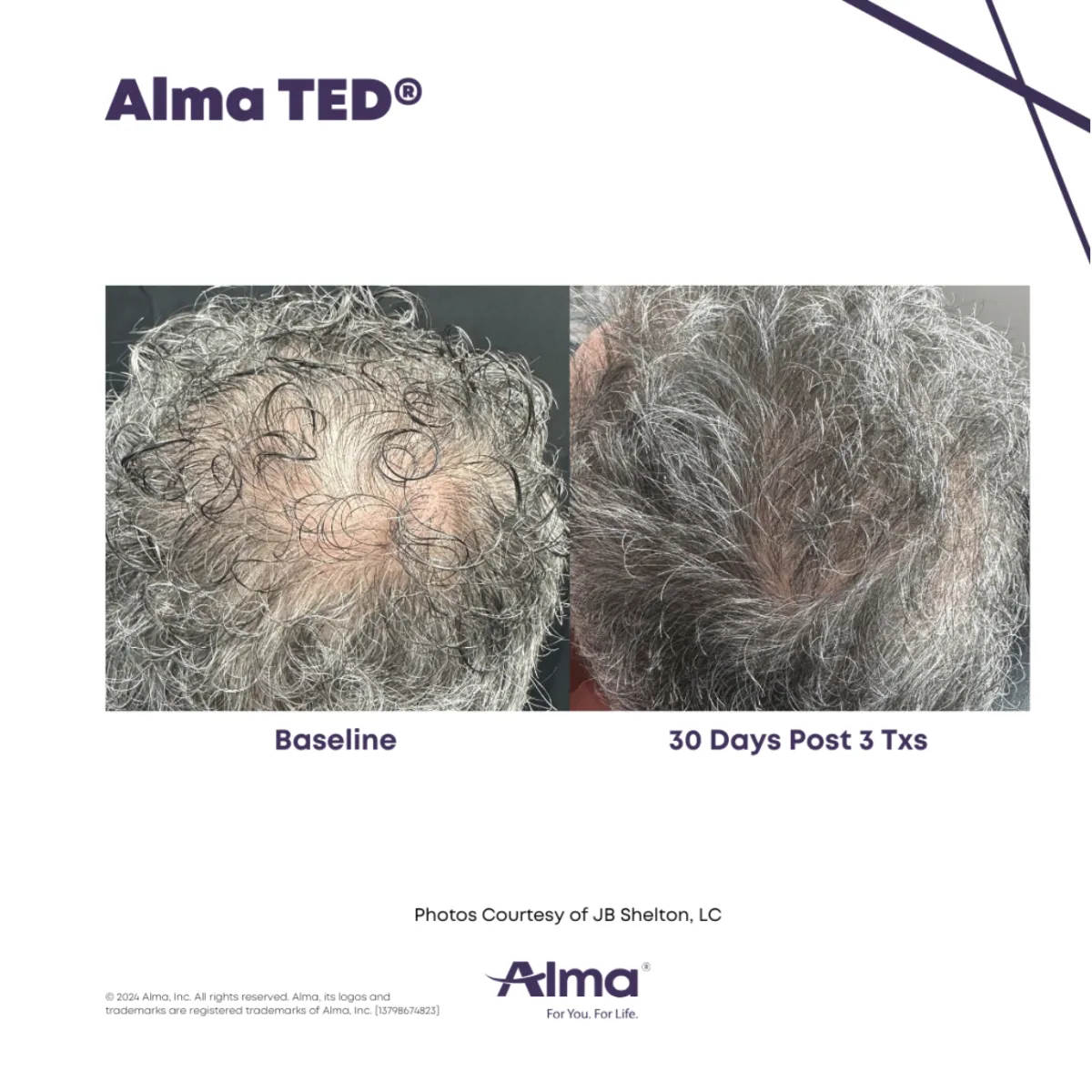
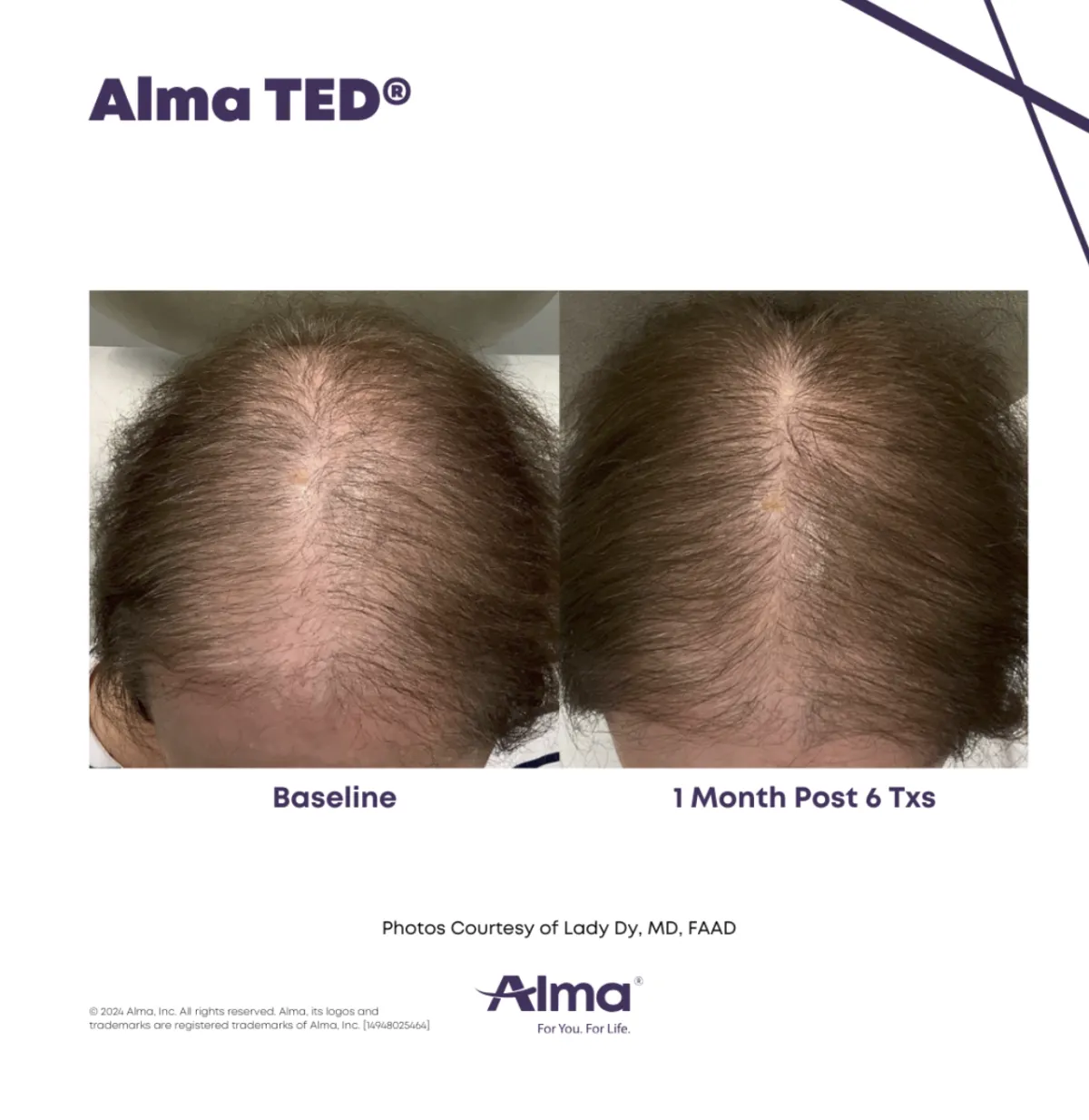
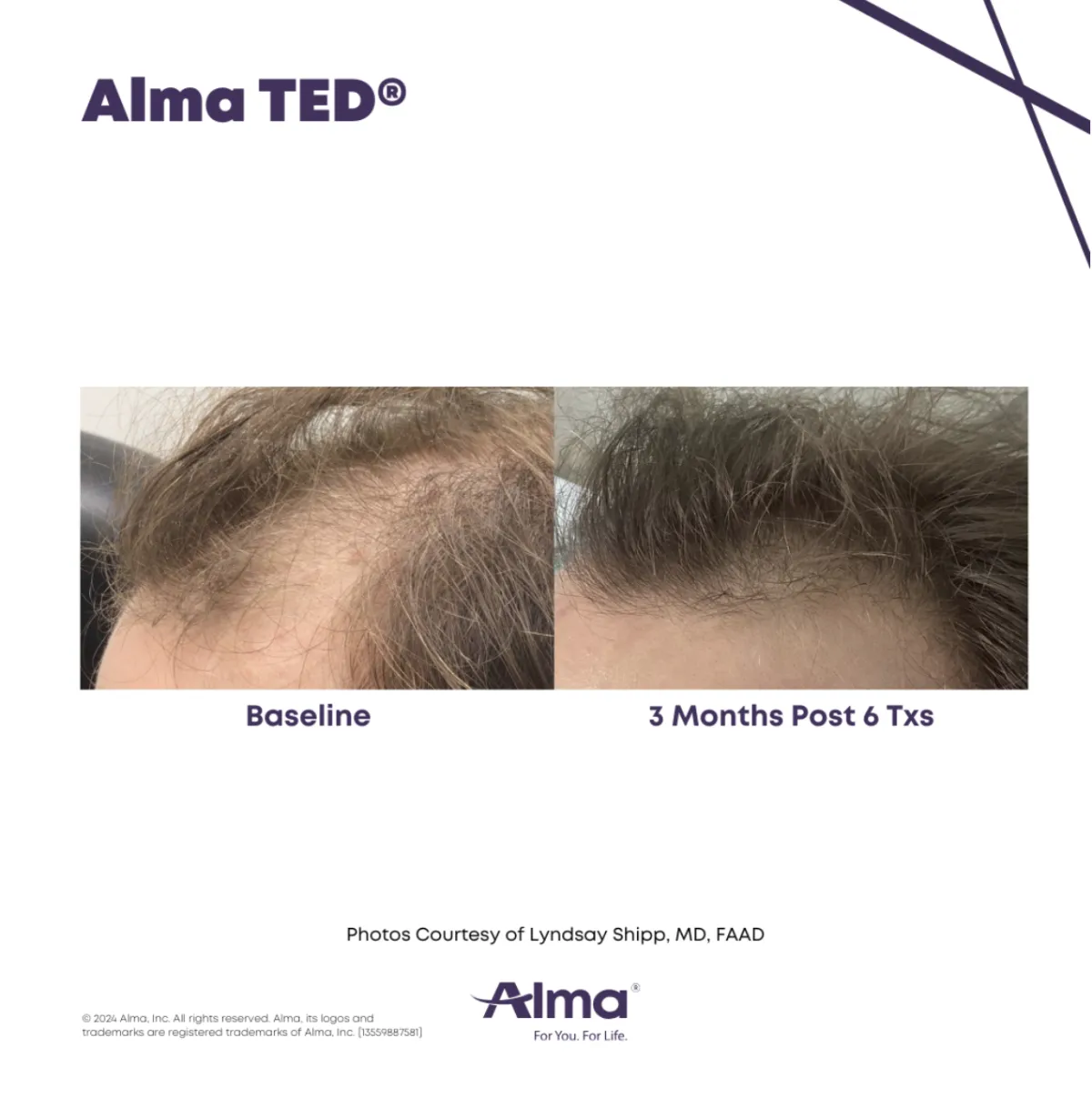
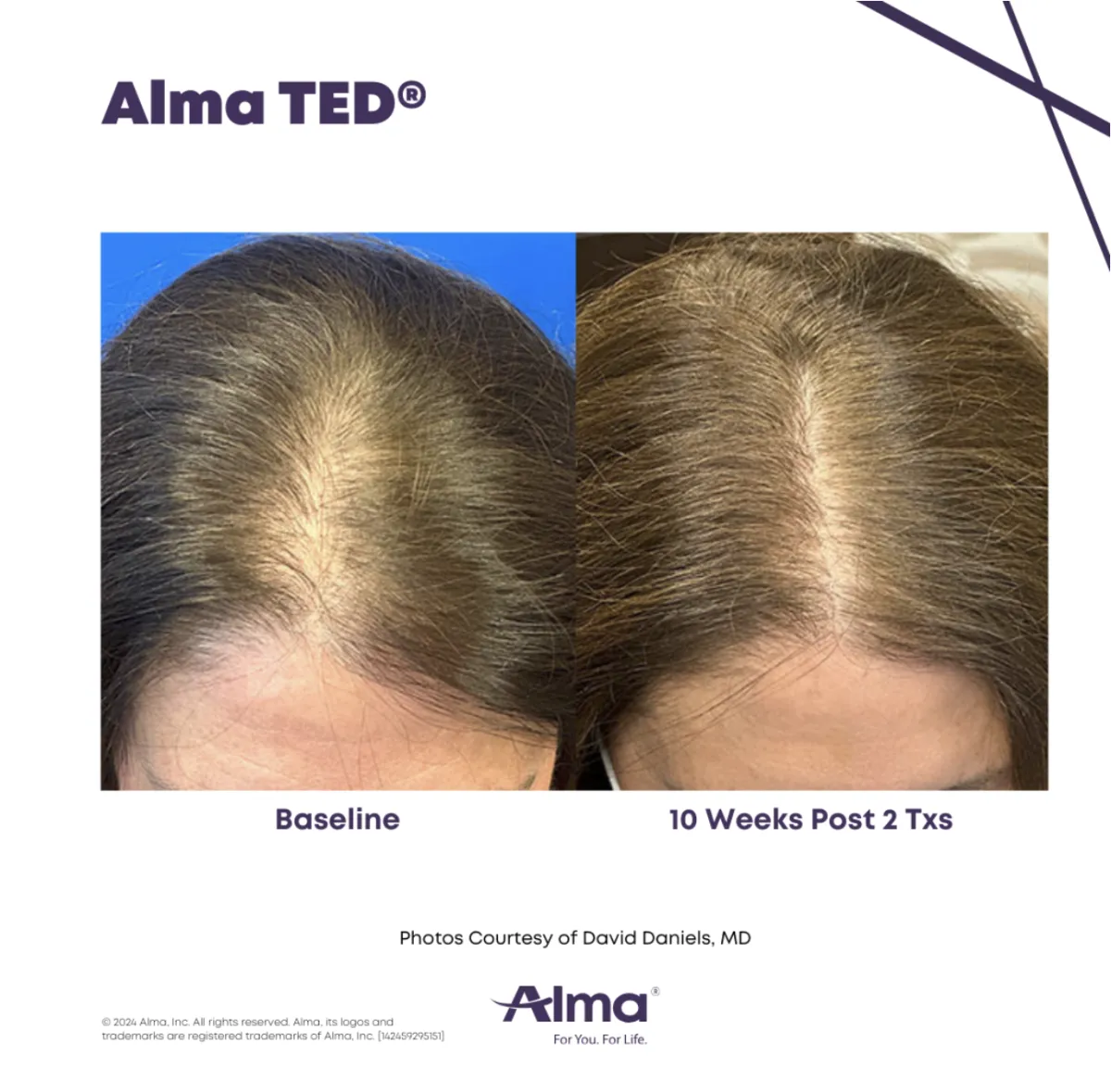
No Guesswork. We Start With Answers.
Your scalp, hair history, lifestyle, stress load, and long-term goals all matter when creating a realistic and supportive plan.
Step 1: Scalp Analysis
Step 2: Identify Contributing Factors
Step 3: Build Your Personalized Plan
Step 4: Begin Treatment + Track Progress
Step 5: Maintain + Educate for Long-Term Support